They tried to gut the nation’s landmark school choice program. The Goldwater Institute stopped them. They tried to scuttle new housing development in Phoenix with an illegal water rule. We defeated them in court. The enemies of freedom didn’t let up this year, but neither did we. On Friday, champions of liberty from around the nation gathered at the Arizona Biltmore to celebrate these victories and many more at Goldwater’s annual Freedom Gala.
During the event, we honored 2026 Freedom Award recipient Jenny Clark, a mother and education-freedom advocate who partnered with Goldwater this year to defeat a full-scale teachers’ union attack on Arizona’s landmark Empowerment Scholarship Accounts school-choice program. We looked back at the many ways Goldwater stood up for freedom over the past year—from fighting an unconstitutional government mandate on wineries to exposing public universities for pushing their activist agendas on students and staff. And on our nation’s 250th anniversary, we also looked boldly to the future at the ways we can ensure American liberty endures for another 250 years.
“There is no greater cause than defending liberty, and that’s what the Goldwater Institute does best,” Goldwater President and CEO Victor Riches told attendees.
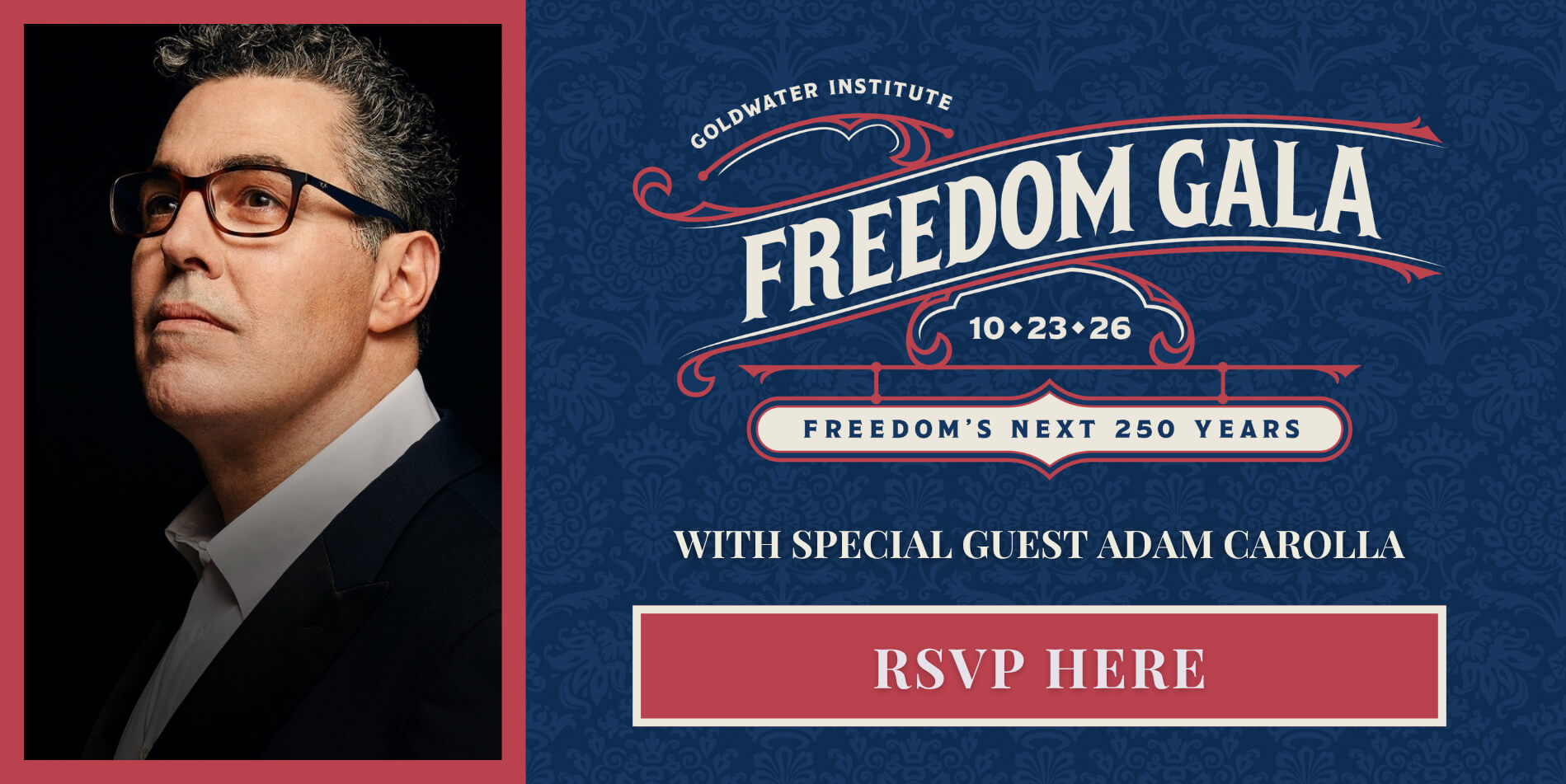
Actor, comedian and New York Times best-selling author Adam Carolla closed the evening with an impassioned defense of American ideals and a takedown of progressive insanity.
The enemies of freedom and liberty aren’t going anywhere. Thanks to our generous donors, the Goldwater Institute will be there to fight them at every turn.
Read more here.
In our legal system, prosecuting attorneys and law enforcement leaders are tasked with pursuing justice for the people—not enriching themselves. That’s why the Goldwater Institute is challenging an arrangement a Florida sheriff made with a private attorney that perverts the justice system by turning the legal system into a for-profit enterprise.
The case involves the sheriff of Miami-Dade County who has arranged with a private attorney to bring asset forfeiture cases and then pocket a substantial percentage of the confiscated property. In asset-forfeiture cases, the government can seize private property without proving the owner committed a crime—the government simply asserts that the property was involved in a crime. The Miami-Dade arrangement incentivizes the attorney to target not the worst offenders, but those with the deepest pockets. That’s exactly how it’s played out—in one case, the attorney brought a multi-million-dollar forfeiture case against businesses that sell cellphones on the theory that drug dealers use cellphones.
As the Goldwater Institute notes, there’s a reason several states have already outlawed abusive asset-forfeiture practices like this—they undermine respect for the law and turn our supposed protectors into predators. It’s time for Florida to join the club.
Read more here.
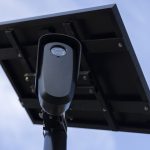
They say it’s about public safety, not money. But here’s the truth: photo radar cameras really are about money—namely, taking yours and funneling it to bureaucrats, private contractors and even political candidates. That’s why the Goldwater Institute is backing Arizona Proposition 319, which requires municipalities to get permission from citizens to continue using photo radar and prevents them from installing new systems.
The Goldwater Institute’s Scott Day Freeman points to Phoenix as an example—after scrapping its photo radar system in 2019, the city flipped the cameras back on this year as part of its traffic safety plan. Within months the cameras issued more than 65,000 citations and extracted about $1.7 million from drivers. That money goes to the camera vendor, the court system, city bureaucrats, and even political candidates. But traffic fatalities were already trending down when the cameras came back, and it’s not at all clear that they’ve caused any meaningful reduction in traffic deaths.
Photo radar breaks the longstanding bargain the government had with citizens about how traffic enforcement is conducted—instead of being sparse, public, and discretionary, it’s now done in private, after the fact, and by mail. With Prop 319, voters can decide whether cities should have to ask before they cash in with photo radar.
Read more here.
For more on where Goldwater stands on the 2026 Arizona ballot, click here.